Bariatric surgery with da Vinci
Explore weight loss surgery options like gastric bypass and sleeve gastrectomy performed with robotic da Vinci technology.Your path to lasting change with da Vinci weight-loss surgery.
Weight-loss surgery, also known as bariatric surgery, is one of the most successful options for severe obesity.1 And robotic surgery with da Vinci is the most common bariatric approach in the U.S.2Many doctors trust da Vinci to help them perform weight-loss surgeries, including gastric bypass (also known as Roux-en-Y), sleeve gastrectomy, biliopancreatic diversion with duodenal switch (BPD/DS), and single anastomosis duodeno–ileal bypass with sleeve gastrectomy (SADI-S) surgery. The following videos show surgeons performing each surgery using the da Vinci surgical system.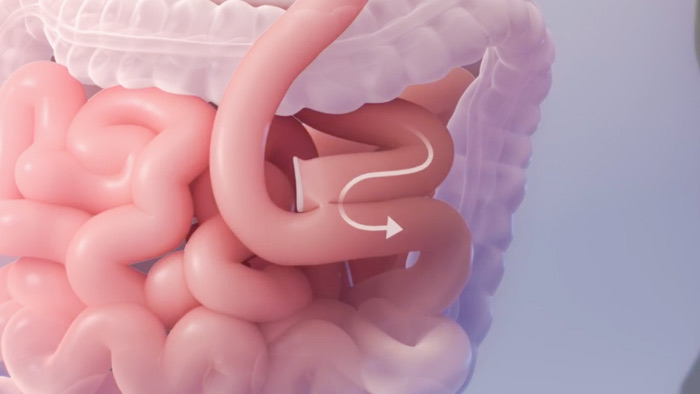
Gastric bypass surgery
Gastric bypass, or Roux-en-Y surgery, is an operation that reduces your stomach size while also rerouting your small intestine to decrease food absorption.3
Sleeve gastrectomy surgery
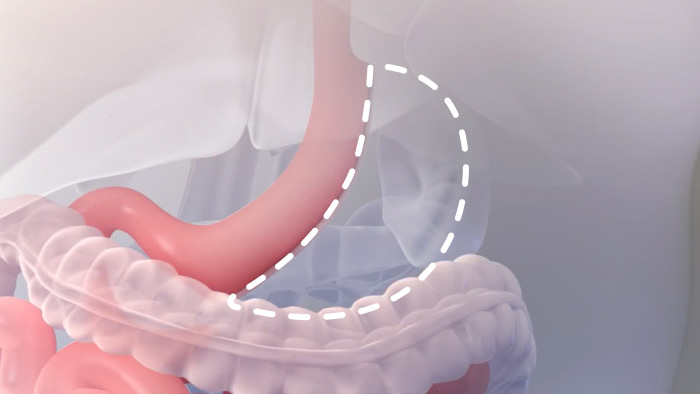
Sleeve gastrectomy, or gastric sleeve surgery, is an operation that reduces your stomach size by about 80 percent to limit the amount of food it can hold.3
BPD/DS
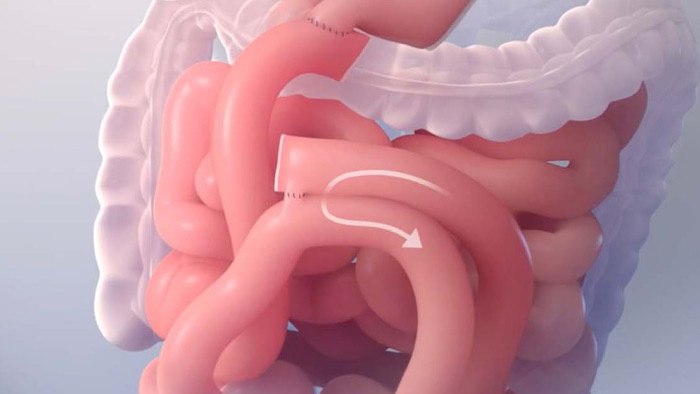
Biliopancreatic diversion with duodenal switch (BPD/DS) surgery removes a large portion of the stomach and reroutes the small intestine to bypass most of it. This decreases hunger and increases the sense of fullness. This also significantly decreases absorption of calories and nutrients.3
SADI-S
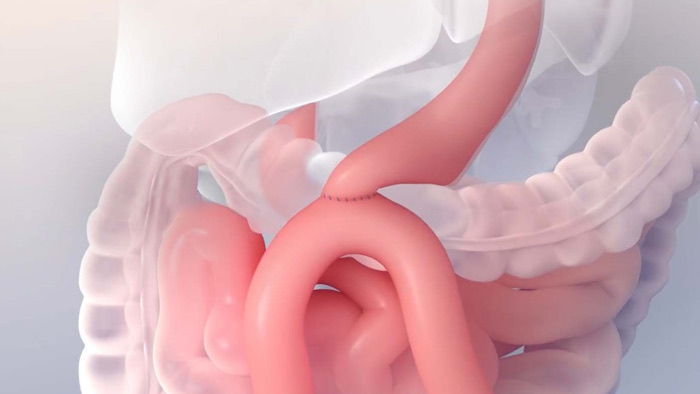
Single anastomosis duodeno–ileal bypass with sleeve gastrectomy (SADI-S) is a newer version of duodenal-switch surgery. It begins with a sleeve gastrectomy and includes rerouting the small intestine. But instead of two connections of the intestine, it uses a single connection, making it less complex but still highly effective for weight loss.3
Make a lasting change
There are many ways to lose weight that you can explore with your doctor, such as diet, exercise, medication, and surgery. If you're considering bariatric surgery, your surgeon should discuss your options with you. Surgery alone is not enough. To make a lasting change, you must follow the recommendations regarding changes in diet, exercise, and any other recommendations from your healthcare team.Get to know the facts:
Da Vinci vs. GLP-1 Medications
Minimally invasive bariatric surgery for weight loss is as safe as other common procedures like hernia, appendix, and gallbladder surgery.Metric | Da Vinci surgery* (+diet/exercise) | GLP-1 medications* (+diet/exercise) |
|---|---|---|
Weight loss | Average 25.7% of total weight in 2 years4 | Average 5.3% of total weight in 2 years4 |
Weight regain | Up to 7% five years after surgery5 | Up to 66% within one year of stopping |
Commitment | One-time cost7 | Continuous cost6,8 |
Insurance Coverage | Usually covered by insurance for severe obesity7 | Coverage for weight loss varies8 |
Average cost over 2 years | $3,422 with Insurance9 | $4,215 with Insurance9 |
Safety | Studied for 25+ years10 | Limited long-term data for weight loss11 |
Minimally invasive bariatric surgery for weight loss is as safe as other common procedures like hernia, appendix, and gallbladder surgery.12
* Individual outcomes and cost may depend on a number of factors including but not limited to patient characteristics, disease characteristics, insurance plan, and surgeon experience.
The da Vinci system is a tool used to perform minimally invasive bariatric surgery, but the surgery does not treat obesity alone long term. A combination of diet, exercise, maybe medication, and not surgery alone is needed to help patients achieve lasting weight loss.
If you and your doctor decide weight-loss surgery is right for you, ask whether da Vinci robotic-assisted surgery could be the answer.